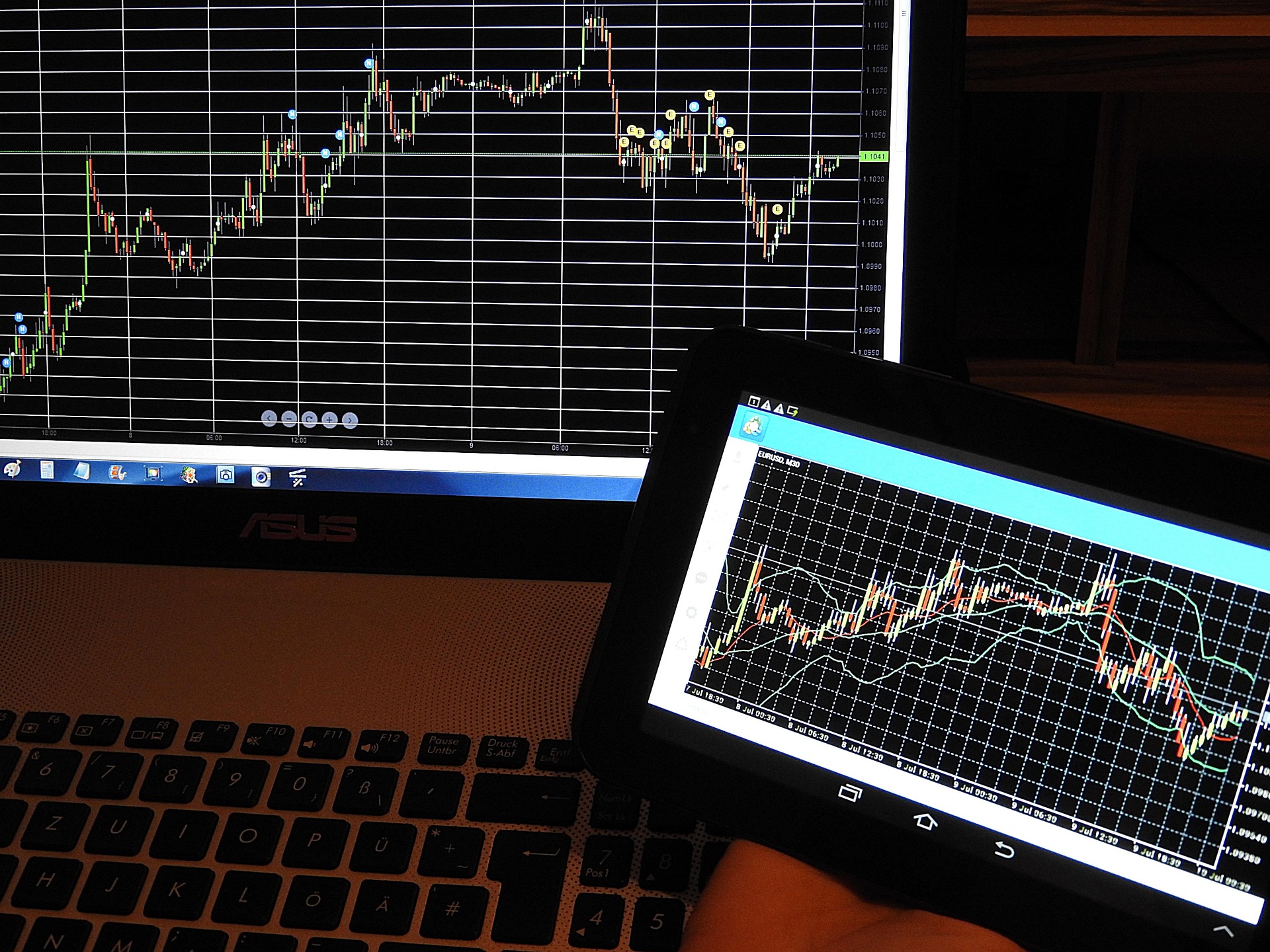
Centralized exchanges built crypto trading infrastructure from scratch. They created the order books, the matching engines, the user interfaces that made trading accessible. For years, they were the only real option.
Trady represents the next evolution. It’s a trading platform that delivers comparable functionality without the fundamental compromises centralized exchanges require. Understanding the differences helps traders choose platforms matching their priorities rather than accepting whatever’s available.
The Traditional Exchange Model
Centralized exchanges follow a proven playbook borrowed from traditional finance.
Custodial control means users deposit assets into exchange wallets. The exchange holds your crypto. You have an account balance in their database. To withdraw, you submit a request they must approve.
This custody gives exchanges complete control. They can freeze accounts, block withdrawals, or restrict trading at will. Users trust the platform won’t abuse this power or lose funds through mismanagement.
Order book trading matches buyers with sellers through centralized matching engines. You place a limit order at a specific price. When someone’s market order hits that price, trades execute. The order book shows all pending orders, providing transparency into supply and demand.
This system works efficiently for price discovery and handling high volumes. But it requires centralized infrastructure and custody.
Fiat integration connects traditional banking to crypto. Users deposit dollars via wire, ACH, or cards. The exchange converts to crypto for trading. Withdrawals convert back to fiat.
This integration is valuable but requires regulatory compliance, banking relationships, and extensive KYC. The convenience comes with surrendering privacy and trusting the platform with personal information.
Professional tools include advanced charting, multiple order types, margin trading, futures, options, and lending. These features attract serious traders willing to accept custody risk for functionality.
The Trady Model
Trady reimagines trading infrastructure for decentralized reality:
Non-custodial architecture means your assets never leave your wallet. The platform facilitates trades through smart contracts. You maintain control via private keys throughout. The platform cannot freeze accounts or restrict access because it never holds your funds.
This eliminates custodial risk entirely. Platform failure doesn’t affect your assets. Regulatory pressure can’t freeze your account. You’re trusting code, not companies.
DEX aggregation replaces order books with liquidity pool routing. When you trade, the platform finds optimal execution across multiple decentralized exchanges, Uniswap, Curve, Balancer, and others.
This aggregation accesses deeper liquidity than any single DEX while maintaining decentralization. You’re trading against algorithms (automated market makers) rather than other traders’ limit orders, but execution quality is comparable for most trades.
Cross-chain unification solves the fragmentation problem centralized exchanges never faced. They operate in database land where chains don’t exist. Trady aggregates your holdings across actual blockchains, presenting unified balances while you maintain self-custody.
Session-based authorization provides smooth trading without constant transaction signing. You authorize the platform with defined limits once, then trade within those parameters. Security stays high while friction drops dramatically.
Speed and Execution
Traditional exchanges win raw speed. Database updates happen in milliseconds. Order matching is nearly instantaneous. High-frequency strategies work because execution is fast and deterministic.
Trady trades settle on blockchains. Even fast chains like Arbitrum need seconds for confirmation. Cross-chain trades take longer as messages pass between networks. You’re waiting 10-30 seconds typically, potentially minutes for complex cross-chain routing.
This speed difference matters for specific strategies. Scalping requires instant execution. Arbitrage opportunities disappear in seconds. These strategies work better on centralized platforms.
For most trading, swing trades, position building, rebalancing, the speed difference is irrelevant. Whether your trade confirms in 100 milliseconds or 15 seconds doesn’t affect outcomes.
Liquidity and Execution Quality
Traditional exchanges aggregate all user orders in their order books. For major pairs on major exchanges, liquidity is deep. Large trades execute with minimal slippage. Market depth is visible, helping traders make informed decisions.
Trady aggregates liquidity from multiple DEXs across multiple chains. For major pairs, combined DEX liquidity rivals centralized exchange depth. For less common pairs, liquidity can be thinner.
Execution quality comparison:
- Major pairs (BTC, ETH): Comparable between platforms
- Popular altcoins: Slight advantage to CEX
- Long-tail assets: Varies significantly
Smart routing often finds better prices than manual DEX trading. Trady compares routes across chains and venues, optimizing for your specific trade size and risk parameters.
Security Models
Traditional exchanges concentrate risk. They’re high-value targets holding billions in user funds. Successful hacks steal massive amounts. Platform insolvency affects thousands.
History shows this risk is real: Mt. Gox lost 850,000 BTC. Coincheck lost $530 million. QuadrigaCX’s founder died and $190 million disappeared. FTX collapsed with $8 billion in user funds missing.
Trady distributes risk. The platform doesn’t hold user funds, making it less attractive to attackers. Exploiting Trady users requires targeting individuals, not cracking central vaults.
But different risks exist:
- Smart contract vulnerabilities in DEXs or routing contracts
- User error (lost keys, wrong transactions)
- Session compromise within defined limits
- Phishing attacks targeting individual users
Neither model eliminates risk. They distribute it differently. Centralized platforms concentrate platform risk while reducing user responsibility. Decentralized platforms eliminate platform risk while increasing user responsibility.
Regulatory Dynamics
Traditional exchanges operate within regulatory frameworks. This provides user protections and legal recourse but also creates restrictions.
Exchanges must comply with KYC/AML requirements. They collect extensive personal information. They report to governments. They can be forced to freeze accounts or restrict services.
Geographic restrictions are common. US users can’t access many global exchanges. Certain countries are blocked entirely. Regulatory changes can shut down services in regions overnight.
Trady operates outside these frameworks. No KYC means no personal information collected. No central company means no single jurisdiction controlling operations. No custody means no ability to freeze accounts.
This provides freedom but eliminates protections. No regulatory oversight means no official recourse if problems occur. No insurance, no guarantees, no safety net.
Use Case Optimization
Different platforms serve different needs best:
Traditional exchanges excel for:
- Fiat-to-crypto conversion (on-ramps)
- High-frequency trading requiring instant execution
- Margin and derivatives trading at scale
- Users wanting maximum simplicity and hand-holding
- Situations requiring customer support and account recovery
Trady excels for:
- Traders prioritizing asset control and custody
- Cross-chain trading without manual bridging
- Privacy-focused users avoiding KYC
- Situations where geographic restrictions matter
- Users comfortable with self-custody responsibility
Many traders use both strategically. Traditional exchanges for fiat conversion and specific products. Trady for actual trading with maintained custody.
The Evolution Arc
Trading platforms are evolving, not replacing each other instantly:
- Phase 1 (2010-2017): Centralized exchanges dominated. No real alternatives existed. Custody risk was accepted as necessary.
- Phase 2 (2017-2020): Early DEXs proved non-custodial trading worked but with terrible UX. Most traders stayed with centralized platforms.
- Phase 3 (2020-2023): DEXs matured significantly. Liquidity improved. Tools got better. But fragmentation across chains created new problems.
- Phase 4 (2023-present): Cross-chain platforms like Trady deliver CEX-quality experience with DEX principles. The UX gap narrows dramatically.
- Phase 5 (future): Distinction blurs as traditional exchanges add DeFi features and decentralized platforms add convenience features. Users choose based on specific needs rather than accepting platform limitations.
We’re in Phase 4 now. The technology exists for non-custodial platforms to compete on experience, not just principles.
Cost Comparison
Fee structures differ significantly:
Traditional exchanges charge:
- 0.1-0.5% trading fees (lower for high volume)
- Withdrawal fees (varies by asset)
- Sometimes deposit fees
- Spread costs (difference between buy/sell)
Trady charges:
- 0.05-0.3% platform fee (varies by route)
- Blockchain gas fees (varies by chain and congestion)
- DEX fees (typically 0.05-0.3% to liquidity providers)
Total costs comparison depends heavily on specific circumstances. Ethereum gas can make Trady more expensive for small trades. L2 chains make it cheaper. High-volume traders get better discounts on traditional exchanges.
Calculate costs for your specific trading patterns rather than assuming one platform is universally cheaper.
Transparency Differences
Traditional exchanges operate as black boxes. You see your account balance and can request transaction history, but you can’t verify they actually hold assets they claim. Their internal operations are opaque.
Fractional reserve is possible and has occurred. Exchanges have used customer funds for their own purposes. Users discovered problems only when withdrawals failed or platforms collapsed.
Trady’s on-chain execution is completely transparent. Every trade is visible on blockchain explorers. You can verify execution, routing, and settlement. The platform can’t lie about what happened, blockchain state is truth.
This transparency provides confidence but also exposes your trading activity publicly (though not linked to real identity if you’re careful).
Platform Dependency
Traditional exchanges create complete dependency. Your funds are in their system. Your trading history lives in their database. If they shut down or freeze your account, you lose access to everything.
Account freezes happen for various reasons: suspected fraud, regulatory requirements, technical errors, or arbitrary decisions. Users have limited recourse. Even legitimate users sometimes face prolonged account locks.
Trady creates minimal dependency. Your assets stay in your wallet. Your access depends on blockchain availability, not platform decisions. If Trady disappeared, you’d lose the convenient interface but retain full access to your funds.
You could interact with the same DEXs directly or through other platforms. Platform convenience is separate from asset access.
The Hybrid Future
The future likely isn’t centralized or decentralized dominating completely. It’s traders using multiple platforms strategically:
Use traditional exchanges for:
- Converting fiat to crypto initially
- Trading derivatives not yet available decentralized
- Specific features requiring custodial infrastructure
Use Trady for:
- Main trading with maintained custody
- Cross-chain operations
- Situations where privacy or censorship resistance matters
This hybrid approach maximizes benefits while managing risks. You’re not forced into artificial binary choice.
Making the Choice
Choose based on your priorities:
Prioritize traditional exchanges if:
- You’re brand new to crypto and want maximum simplicity
- You need extensive fiat integration
- You trade derivatives heavily
- Custody risk doesn’t concern you
- You want customer support and account recovery options
Prioritize Trady if:
- Custody and ownership matter deeply to you
- You trade across multiple chains regularly
- You avoid KYC for privacy or jurisdictional reasons
- You’re comfortable with self-custody responsibility
- You want censorship resistance
Most traders won’t exclusively use one or the other. Understanding strengths and limitations helps you deploy each platform where it serves best.