Introduction
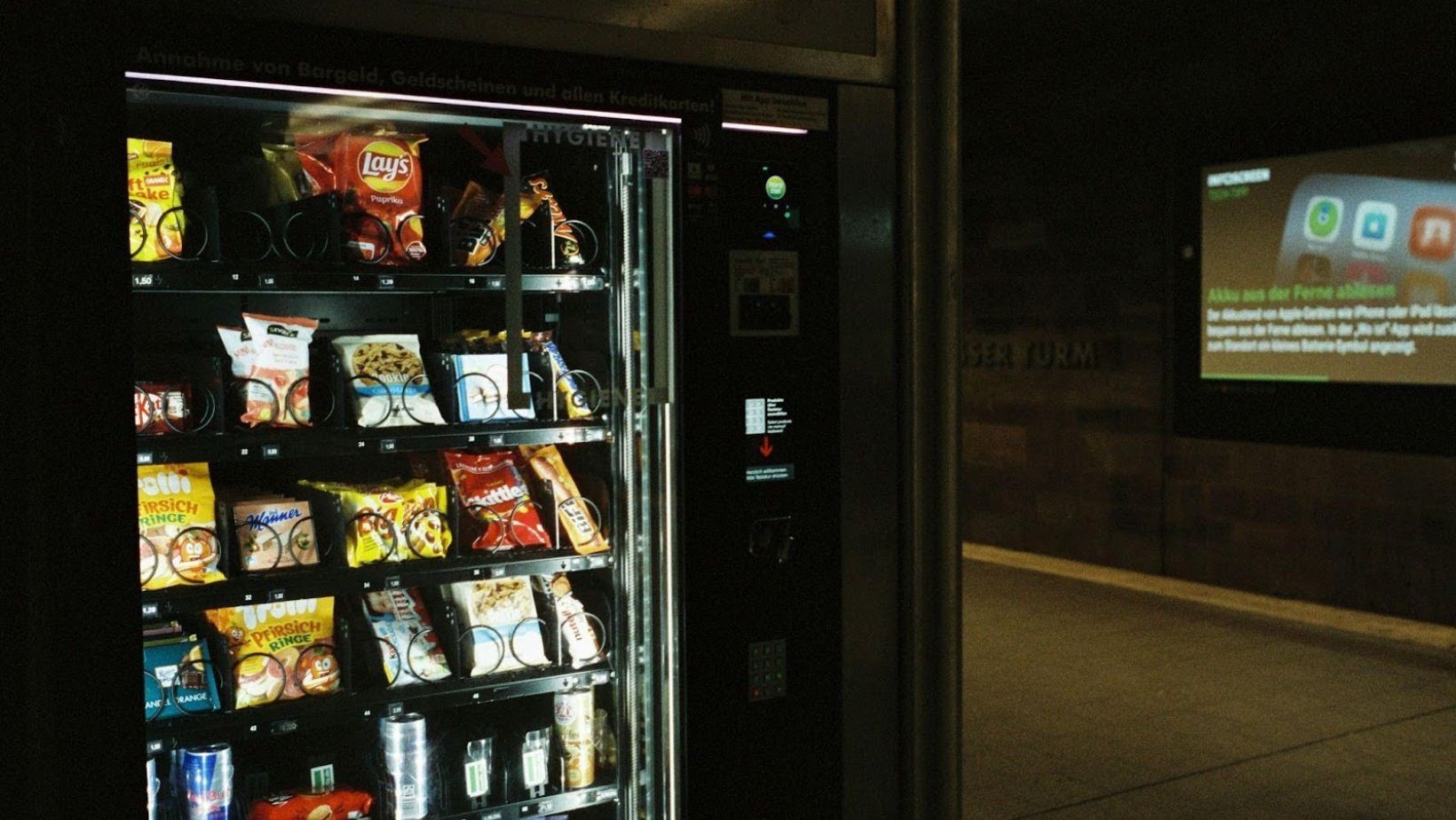
When people imagine the future of cities, they often picture sleek skyscrapers with glass walls, fleets of self-driving cars, or drones buzzing through the sky delivering parcels. Rarely does the conversation begin with something as humble as a vending machine. Yet, this everyday fixture is transforming so profoundly that it is now quietly becoming one of the unsung heroes of tomorrow’s smart cities. From dispensing fresh food to gathering valuable data, vending machines are no longer simply coin-operated snack boxes. They are evolving into multi-functional, tech-powered hubs that align with the very vision of smart, sustainable, and citizen-focused urban spaces.
In the smart city ecosystem, every piece of infrastructure matters. Traffic lights collect data to improve traffic flow. Street lamps are embedded with sensors that monitor air quality. And right alongside these, vending machines are stepping into a role that combines convenience, commerce, and connectivity. Whether it’s an egg vending machine providing farm-fresh produce at midnight, or a sleek contactless unit selling electronics at airports, these machines are reshaping the way cities deliver services.
The Hidden Power of Vending Machines in Urban Living
The modern city thrives on immediacy. Urban dwellers are busier than ever, and convenience is no longer a luxury but a baseline expectation. Vending machines have adapted to this need by offering products beyond chips and soda. Today, machines sell gourmet meals, beauty products, personal protective equipment, and even high-tech gadgets. In Japan, one of the world’s leaders in vending culture, you can buy everything from umbrellas to ties, ensuring that no daily mishap leaves you stranded.
In the context of smart cities, this versatility is more than a quirky feature. It means vending machines can fill critical service gaps, especially in neighborhoods where traditional retail is scarce. An egg vending machine, for instance, can extend the reach of local farmers into urban cores, bringing fresh produce to residents who may not have time to visit a market. In doing so, vending machines act as micro-distribution hubs—bringing goods closer to consumers while reducing the environmental footprint of larger retail operations.
The real power of these machines lies not only in what they sell, but also in what they know. Equipped with sensors, cameras, and network connectivity, modern vending machines gather data about consumer behavior, foot traffic, and purchasing trends. This information, when aggregated across an entire city, provides valuable insights into urban patterns. For city planners, these insights are gold, helping them design services that are more responsive to citizens’ needs.
Connectivity: The Smart Machine as a City Node
At the heart of every smart city is connectivity. Every device, from traffic signals to waste bins, is part of a network. Vending machines are no exception. Today’s advanced units are connected to the Internet of Things (IoT), enabling operators to monitor stock levels, track sales in real time, and optimize supply chains. But in a city-wide network, these vending machines also double as data collection points.
Imagine a vending machine at a busy train station. Every purchase not only restocks the commuter’s energy with a snack or drink, but also logs the time, product type, and payment method. Over weeks and months, this data paints a picture of peak commuting times, preferred products, and even the effectiveness of new payment technologies like mobile wallets. Multiply this across hundreds of machines throughout the city, and you have an invaluable map of citizen movement and consumer behavior.
Beyond commerce, connected vending machines can play roles in public safety and communication. Some cities are experimenting with machines that feature digital displays for public announcements or emergency alerts. In disaster-prone areas, a vending machine stocked with essential supplies like water, masks, or first aid kits could provide life-saving access when traditional stores are closed or inaccessible.
Sustainability: Reducing Waste, Supporting Local Economies
The future of cities isn’t just about being smarter—it’s about being greener. Vending machines are surprisingly well-positioned to support sustainability initiatives. Smart stocking systems ensure that food items are sold before expiration, reducing waste. Energy-efficient refrigeration and solar-powered units minimize their environmental footprint.
Then there’s the role of vending machines in promoting local sourcing. The egg vending machine is a perfect example of this. In rural-urban fringe areas, farmers can stock these machines with fresh eggs daily, giving city residents direct access to farm products without the middleman. Not only does this reduce food miles, but it also supports local economies by providing farmers with an additional revenue channel. For smart cities aiming to build resilience and strengthen local food systems, this is a game-changer.
Some cities are even piloting reverse vending machines that encourage recycling. Citizens deposit plastic bottles or cans into the machine and receive a small monetary reward or discount voucher in return. This not only incentivizes responsible behavior but also integrates recycling directly into the urban landscape, making sustainability a lived, everyday experience.
Personalization and the Human Touch
One of the critiques of vending machines is that they are impersonal. But in smart cities, even these machines are becoming tailored to individual needs. AI-powered vending machines can recommend products based on past purchases, time of day, or even weather conditions. A commuter might see a hot coffee option promoted on a cold morning, while in the evening the same machine suggests a quick dinner kit.
Facial recognition and loyalty programs are pushing this personalization further. For instance, a machine might recognize a repeat customer and offer a discount or bonus item. While this raises important questions about privacy, in a smart city framework where data is securely managed, it can significantly enhance the customer experience.
Interestingly, personalization also extends to cultural and community identity. In many Asian cities, vending machines are used to distribute culturally specific foods or items. An egg vending machine in one neighborhood may sell organic farm produce, while in another it might stock specialty heritage foods. This flexibility allows vending machines to reflect the diversity of the city itself.
Bridging Gaps in Public Health and Safety
The COVID-19 pandemic accelerated the role of vending machines in public health. Almost overnight, cities saw the deployment of machines dispensing masks, sanitizers, and test kits. This highlighted just how nimble vending solutions can be in responding to emergencies. In future smart cities, vending machines may serve as first-line distribution points for critical supplies during outbreaks or disasters.
But their role doesn’t stop at emergencies. With the integration of biometric sensors, vending machines could one day play a role in preventive health. Imagine a machine that not only dispenses a healthy smoothie but also checks your heart rate or hydration level using touchless technology. By connecting this data to health apps, vending machines could nudge citizens toward healthier habits, blending convenience with public wellness goals.
The Cultural Shift: From Novelty to Necessity
For decades, vending machines have been treated as novelties—quirky, convenient, but not essential. That perception is rapidly changing. In smart cities, vending machines are no longer background objects; they are frontline service providers. They fill gaps where traditional infrastructure falls short and do so in a way that is scalable, cost-efficient, and user-friendly.
The egg vending machine in a neighborhood may seem like a small innovation, but multiply that across dozens of essential goods—bread, milk, hygiene products, and medicine—and you start to see how these machines become integral to daily urban living. Just as e-commerce redefined retail by making shopping available anytime, vending machines are reimagining urban convenience by embedding access points right into the city’s fabric.
Looking Ahead: The Next Decade of Smart Vending
The future of vending machines is limited only by imagination. In the next decade, we may see machines that are entirely cashless, solar-powered, and voice-activated. Some may integrate with ride-sharing apps, allowing you to pre-order items from a machine near your destination. Others may act as micro-fulfillment centers for e-commerce orders, blending the line between online shopping and on-the-go convenience.
In forward-thinking cities, vending machines will increasingly partner with public services. Machines may offer subsidized healthy meals in food deserts, or free sanitary products in schools and community centers. They may double as charging stations for electric scooters or as Wi-Fi hotspots in underserved areas. With each new integration, vending machines deepen their role as both commercial and civic assets.
And let’s not forget about the role of culture and creativity. Some designers envision vending machines as platforms for local artisans, allowing small businesses to sell crafts, baked goods, or handmade soaps without needing a physical storefront. In this way, vending machines don’t just serve consumers—they nurture the entrepreneurial ecosystem of the smart city itself.
Conclusion: The Quiet Revolution
It’s easy to overlook vending machines. They don’t have the flash of autonomous vehicles or the grandeur of futuristic skyscrapers. Yet, their quiet ubiquity is precisely what makes them powerful. They are always there, tucked into train stations, office lobbies, and street corners, silently making life a little easier.
As cities evolve into smarter, greener, and more connected places, vending machines are stepping up as key players. They are not just selling snacks but shaping data-driven planning, supporting sustainability, empowering local producers, and bridging gaps in essential services. From the humble egg vending machine to AI-powered wellness kiosks, these machines are proving that the future of cities isn’t only about big, flashy innovations—it’s also about the smart reinvention of everyday objects.
The vending machine’s revolution may be quiet, but in the smart cities of tomorrow, its impact will be impossible to ignore.