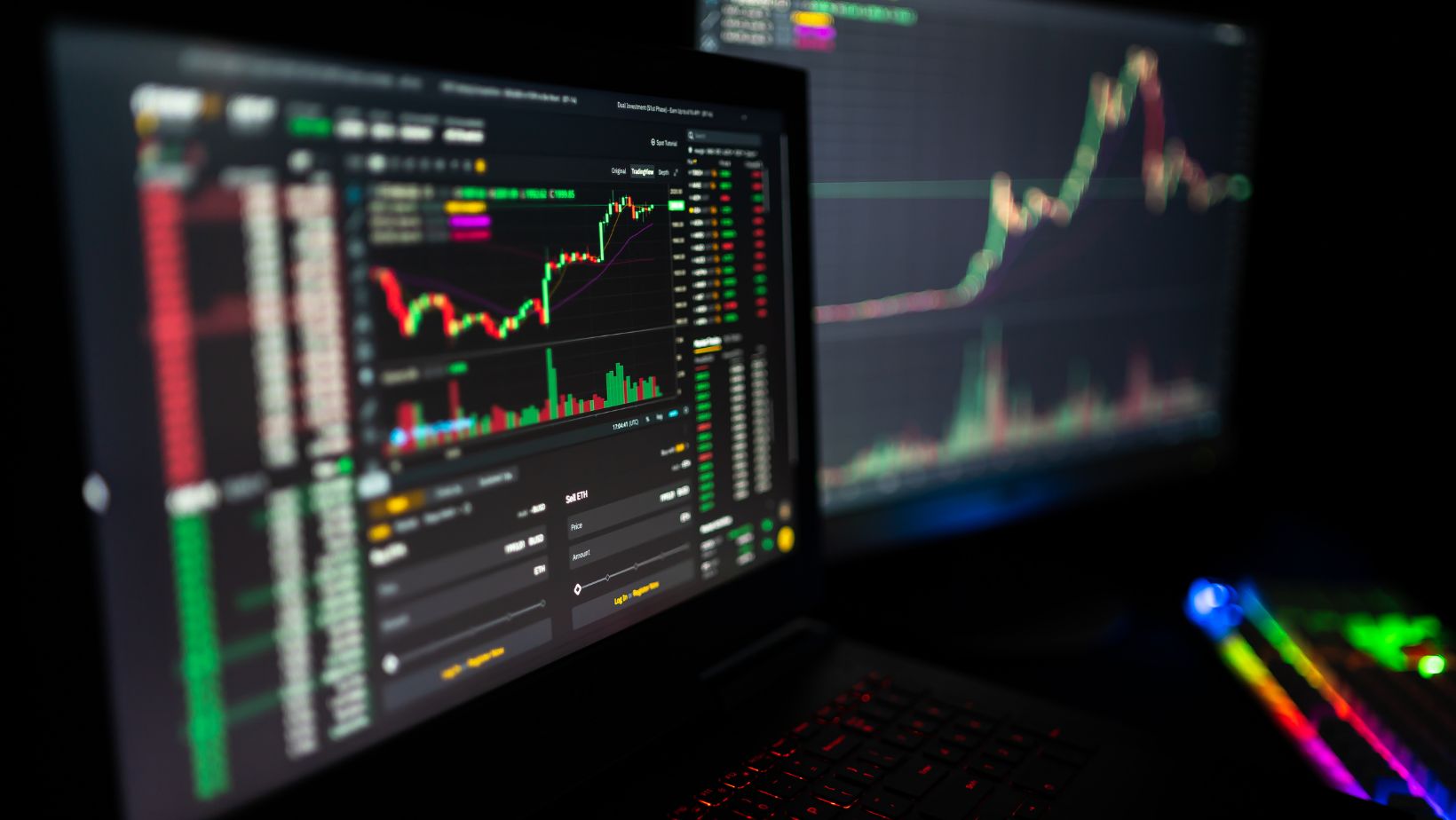
Anyone who’s ever invested — whether in stocks, property, or crypto — knows that markets have a way of testing your nerves. One day your portfolio’s up 10%, the next it’s down 15%. You tell yourself not to panic, but that’s easier said than done. Emotional decision-making is the fastest way to turn short-term volatility into long-term regret.
That’s why learning how to stay calm when the markets swing is one of the most valuable skills any investor can develop. Resources like https://cryptomarketnews.com.au/ can help you stay informed — but it’s your mindset and discipline that determine whether you’ll survive, or even thrive, in turbulent times.
Here’s how to keep your cool when everyone else is losing theirs.
1. Accept That Volatility Is Normal
The first step in managing anxiety around investing is understanding that market fluctuations aren’t just normal — they’re necessary. Prices move because of new information, shifting demand, and investor sentiment.
When markets are calm, opportunities are scarce. It’s during volatile periods that experienced investors position themselves for future gains.
Think of volatility like bad weather — unpleasant in the moment, but temporary. The long-term trend, historically, is upward.
Remind yourself: downturns are not disasters; they’re discounts.
2. Zoom Out — Don’t Get Trapped in the Daily Noise
When you’re checking prices every hour, every dip feels catastrophic. But when you zoom out to a one-, five-, or ten-year view, most short-term swings barely register.
Ask yourself:
- Will this matter in a year?
- Is my original investment thesis still valid?
- Has the company or asset fundamentally changed, or just its price?
Long-term thinking separates investors from speculators. Successful investors focus on progress, not perfection — and they understand that markets reward patience, not panic.
3. Control What You Can
You can’t control inflation, interest rates, or investor sentiment. But you can control your behaviour, allocation, and risk exposure.
A few practical steps:
- Diversify across sectors and asset classes. Don’t put all your money in one market or coin.
- Revisit your risk tolerance. If a 10% drop makes you want to sell everything, you may be overexposed.
- Set stop-loss orders or automatic investment plans to take emotion out of the process.
Focus your energy where it matters most — managing your plan, not the market.
4. Stay Informed, Not Overwhelmed
Information can either calm you or confuse you. In times of volatility, it’s easy to get caught in the loop of doomscrolling headlines, analyst predictions, and social media speculation. But too much noise clouds judgment.
Instead, rely on reputable sources that prioritise analysis over panic. Read perspectives that explain why things are happening — not just what’s happening.
When you understand the reasons behind the moves, they feel far less frightening.
5. Avoid Emotional Trading
Fear and greed are the twin enemies of good investing. Selling in panic or buying out of FOMO (fear of missing out) can undo months or years of smart planning.
Create a set of rules for yourself before volatility strikes. For example:
- Never make trades after a large market swing without reviewing your strategy first.
- Wait 24 hours before acting on an emotional impulse.
- Stick to your pre-defined allocation rather than reacting to the headlines.
Discipline doesn’t mean doing nothing — it means doing the right thing, even when it’s uncomfortable.
6. Revisit Your “Why”
When markets crash, it’s easy to forget why you started investing in the first place. Were you saving for retirement? Building passive income? Funding your children’s future?
Your goals don’t disappear just because the market dipped. In fact, corrections often provide opportunities to buy quality assets at better prices. When your focus shifts from short-term price changes to long-term outcomes, you regain perspective — and peace of mind.
7. Tune Out the Herd Mentality

Market hysteria spreads fast. When you see everyone rushing to sell or buy, it can trigger panic. But herd behaviour rarely leads to good results.
Remember, the crowd tends to overreact both ways — euphoric during bull runs, despondent during dips. The smartest investors step back, observe the psychology at play, and act rationally rather than react emotionally.
As Warren Buffett famously said, “Be fearful when others are greedy, and greedy when others are fearful.”
8. Focus on the Big Picture
When markets are unstable, your job isn’t to predict the next move — it’s to manage your reaction to it. Volatility can’t be eliminated, but it can be endured.
By keeping your perspective, managing your risks, and filtering out noise, you turn chaos into opportunity. The market will calm down eventually. The question is: will you?
Staying calm when markets go crazy isn’t about being emotionless — it’s about being prepared. Remind yourself that panic never built wealth, but patience often does. Keep your eyes on the horizon, your strategy steady, and your emotions in check — because the investors who keep their cool are the ones who come out ahead.